

30 years of Belgian Mums in the United States
From a difficult start to a lasting standard
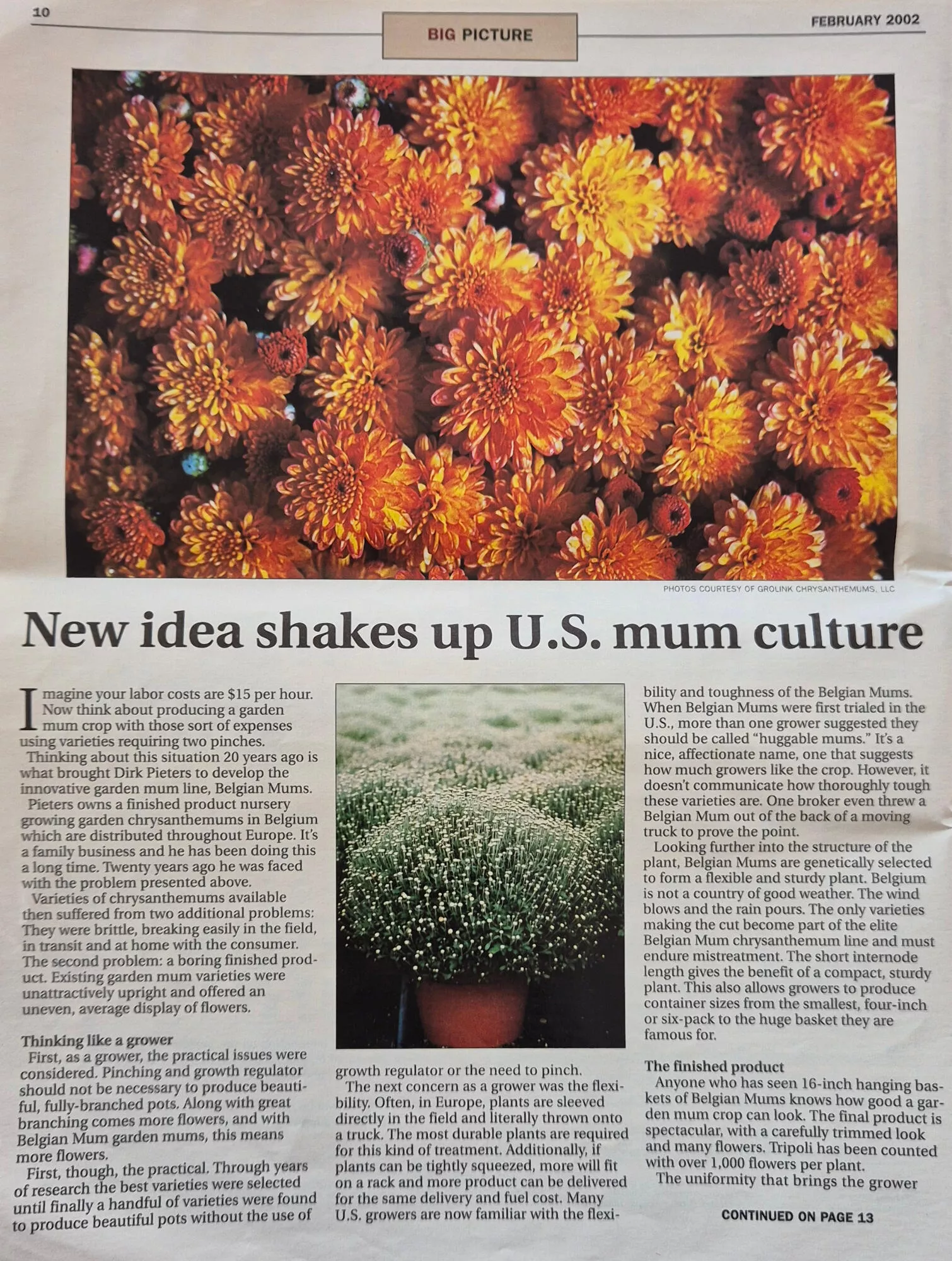
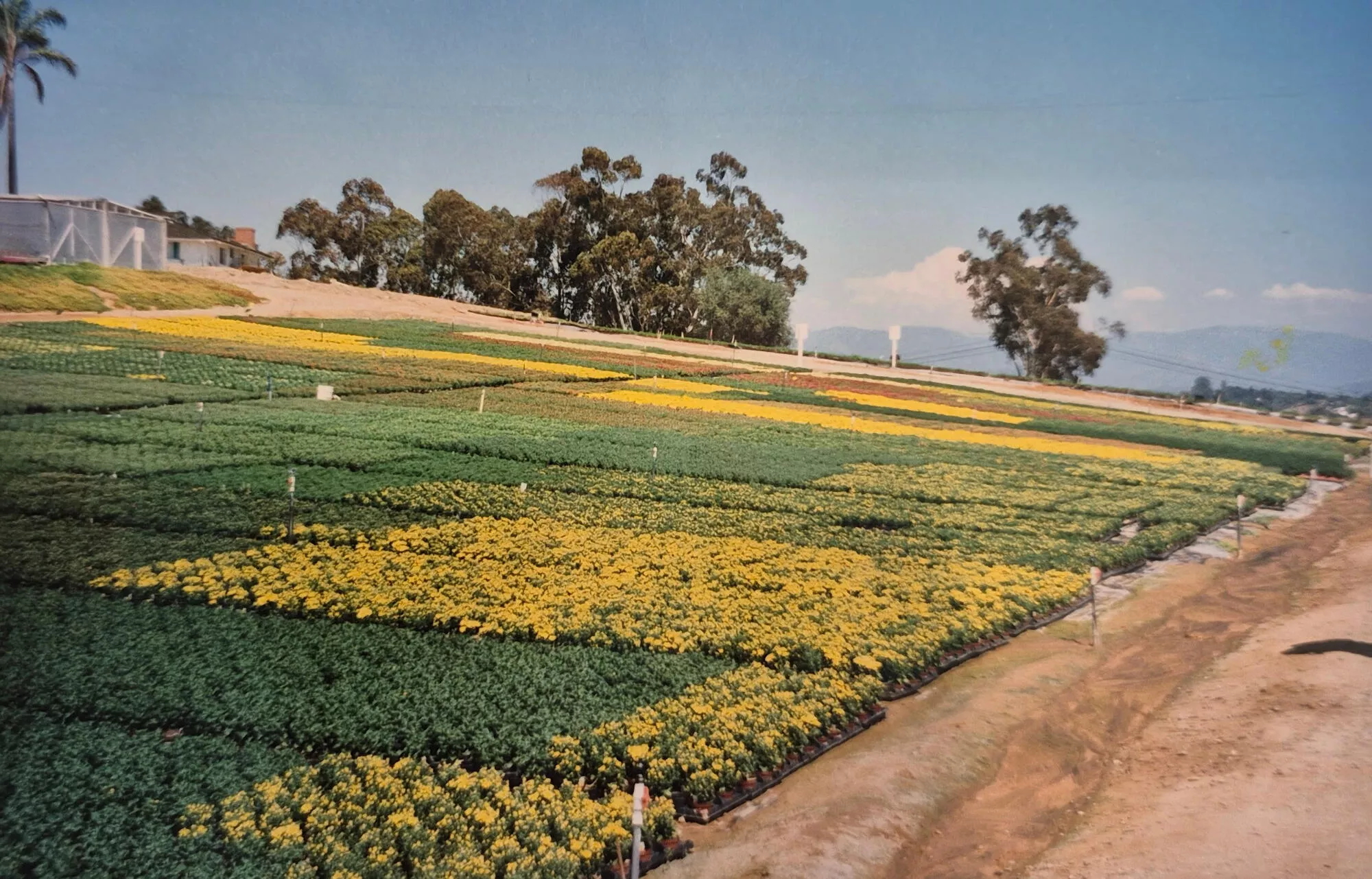
When Belgian Mums entered the United States in 1996, success was far from guaranteed. The North American garden mum market followed its own logic, built around upright growth, tight spacing, fast flowering and intensive use of plant growth regulators. Belgian genetics were fundamentally different.
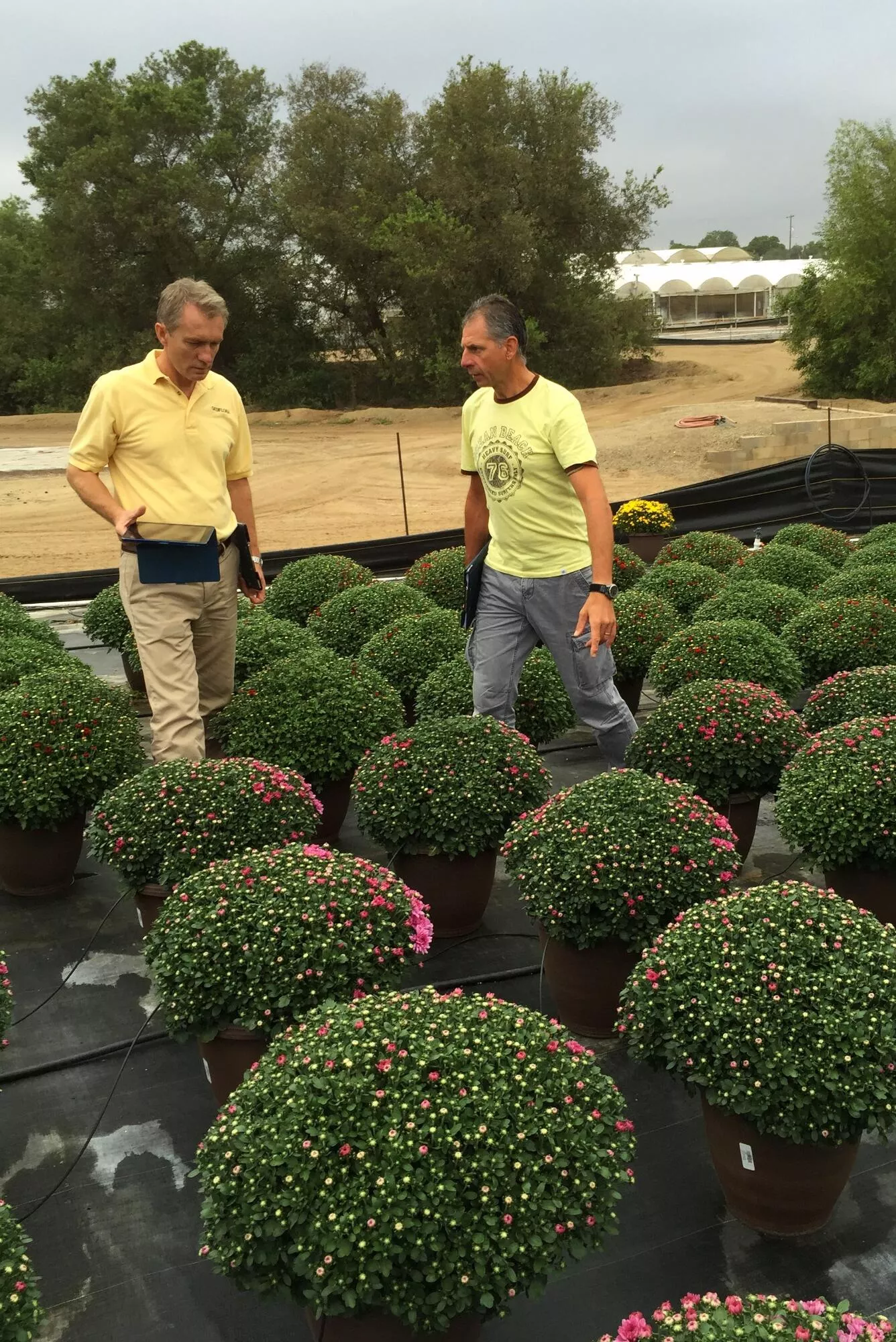
The first years were challenging. Trials revealed inconsistencies. Plants placed too close together lost their signature ball-shaped structure and production habits had to be reconsidered. It soon became clear that Belgian genetics would not simply adapt to thesystem. The system had to adapt.
The role of breeding and field trials
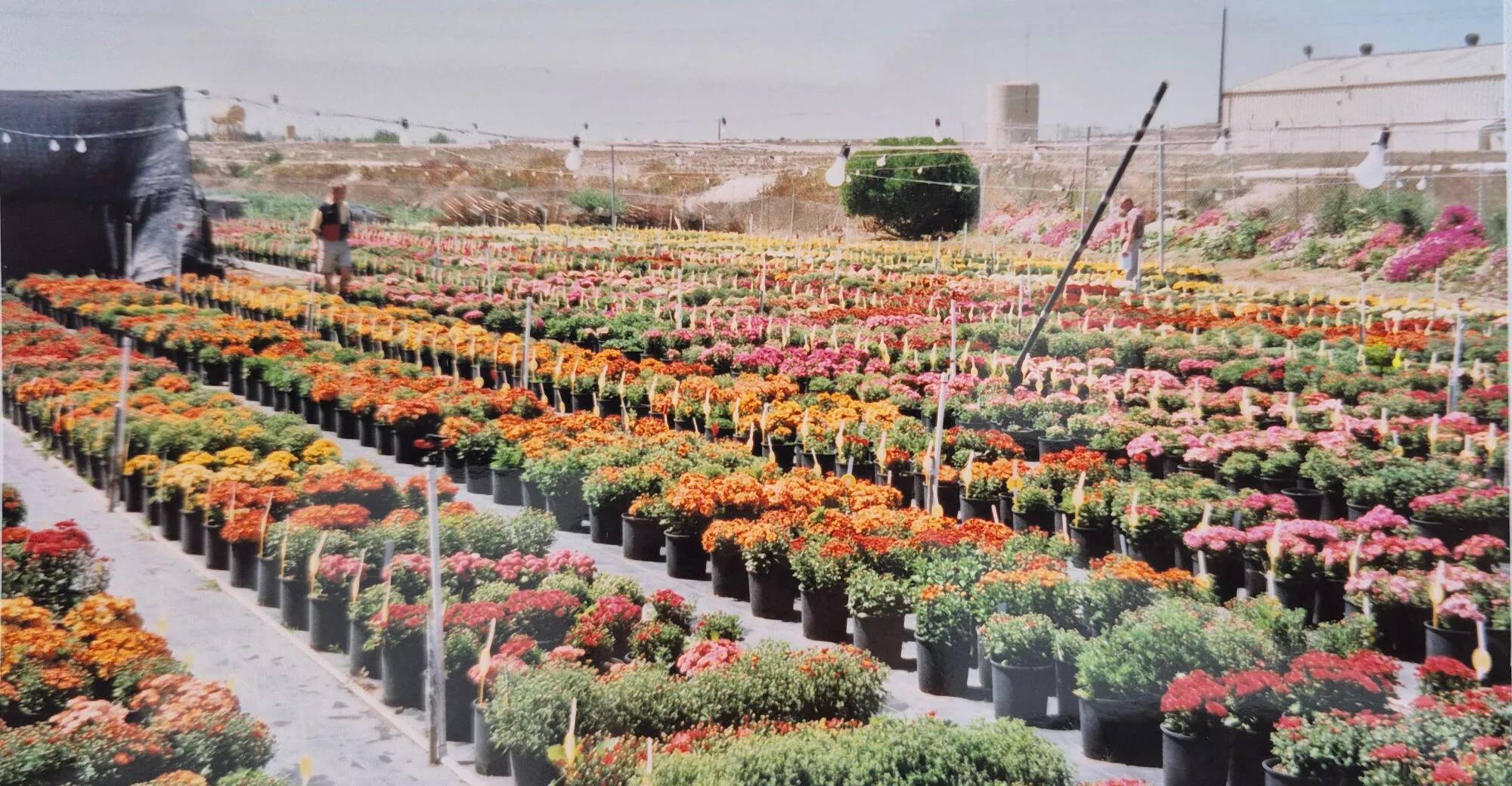
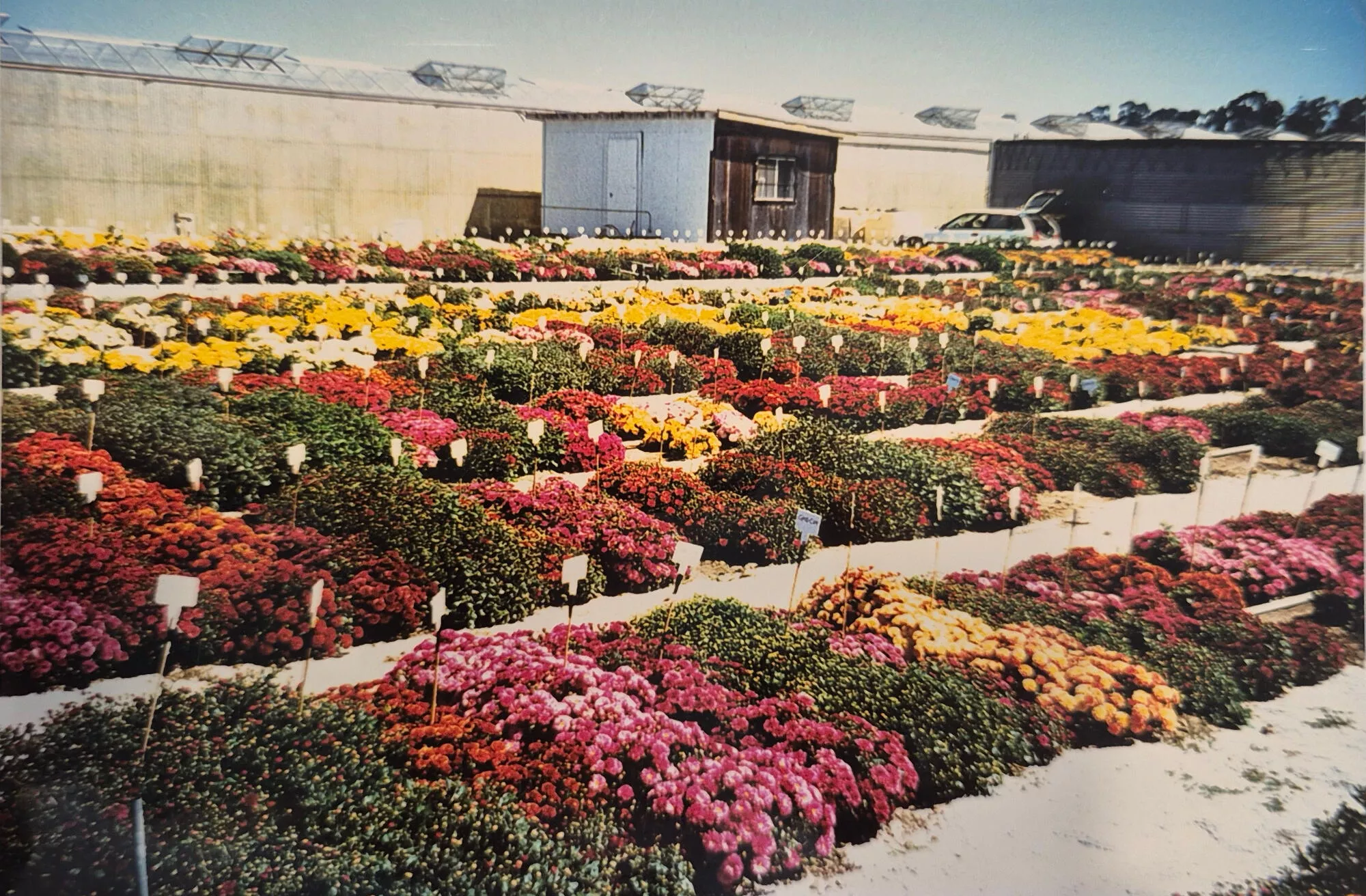
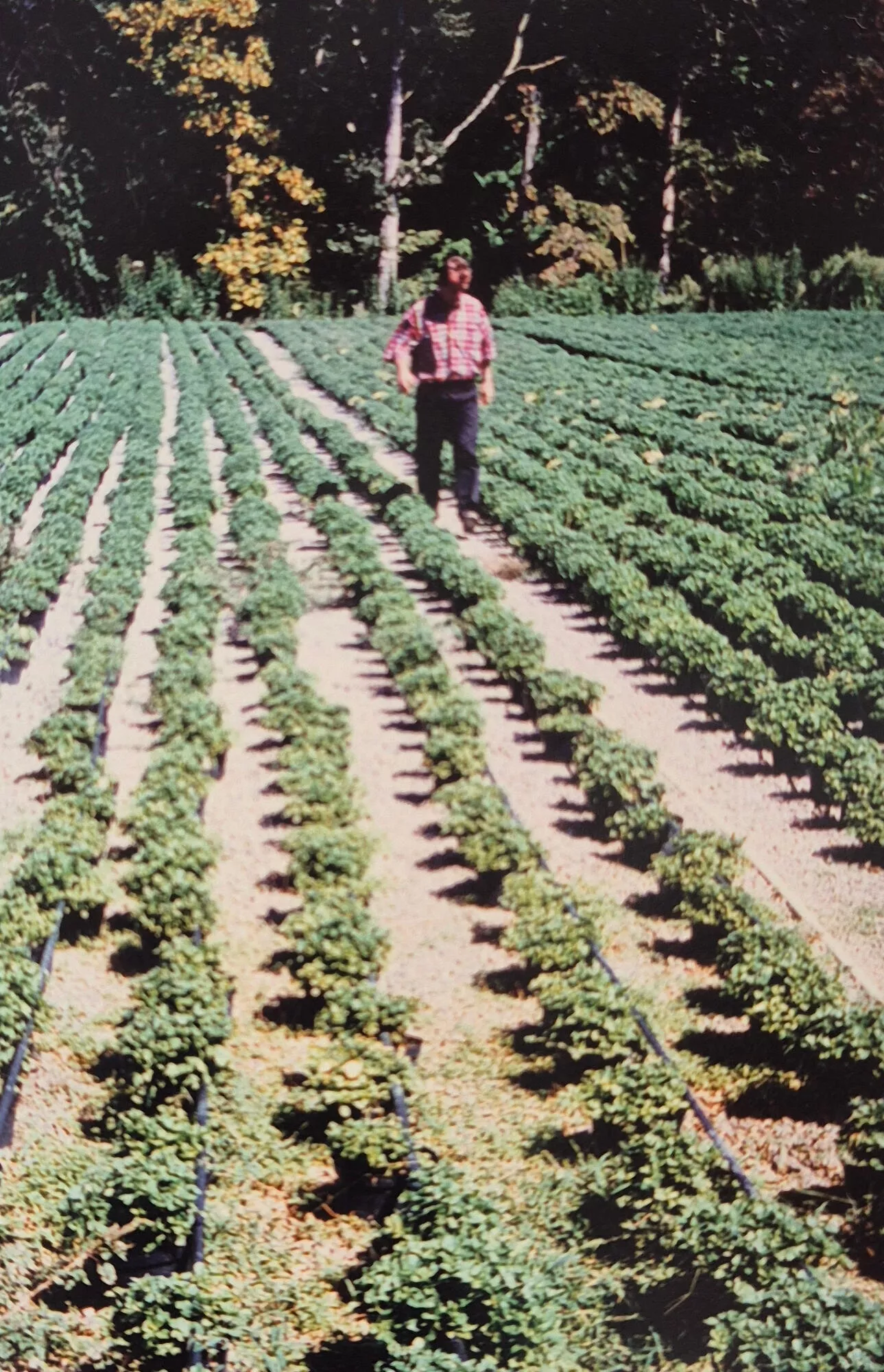
A decisive factor in this evolution was the intensive involvement in US trials and the careful selection of varieties specifically for the North American market. Wim Declercq and his breeding program played a central role in this process. Season after season, selections were tested under American conditions, evaluated with growers and refined based on real production feedback.
Over time, flowering times improved, colors became more powerful and market-driven, and performance became more reliable. What began as adaptation matured into a breeding direction that would influence garden mum development far beyond the United States.
Today, many structural traits that define the modern globe chrysanthemum - natural roundness, strong branching, reduced dependence on growth regulators and expressive color presentation - trace back to those early breeding decisions. The impact of that program continues to shape garden mum genetics worldwide.
Convincing the market
Convincing growers to space wider, avoid pinching and reduce PGR use did not happen overnight. It took nearly two decades of demonstrations, side-by-side comparisons and technical discussions. As more growers adjusted their cultivation methods, the visual difference at retail level became unmistakable. Naturally rounded plants with uniform structure and presence created a distinct identity in the marketplace.That identity gradually shifted expectations. The ball-shaped garden mum was no longer a European curiosity. It became a reference model and the direction of breeding across the industry followed. The Belgian Mum type of chrysanthemum was born.
Pioneering the family concept
Over time, families became a defining element of Belgian Mum breeding. Families such as Padre, Staviski, Jasoda, Arluno, Amiko and Soul Sisters brought together multiple colors with identical growth behaviour and flowering response. What may appear as a simple breeding structure was in reality a major step forward for professional production. For growers, the family concept meant different colors could be grown together with the same cultivation strategy and flowering schedule.
What started as an internal breeding strategy soon became a new standard in the market. Today, varietal families are widely used across the garden mum industry.
People who built continuity
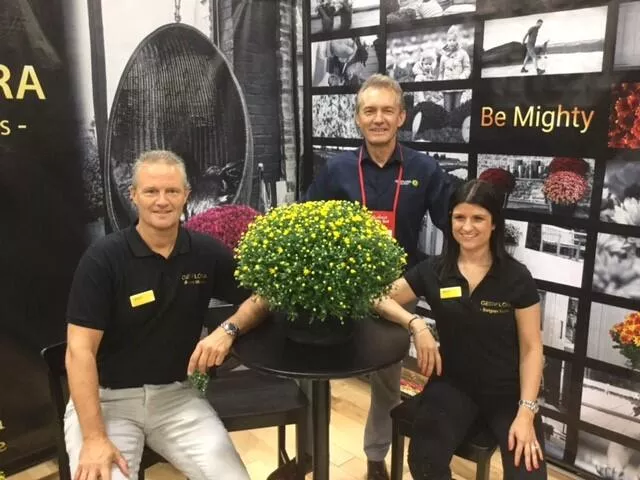
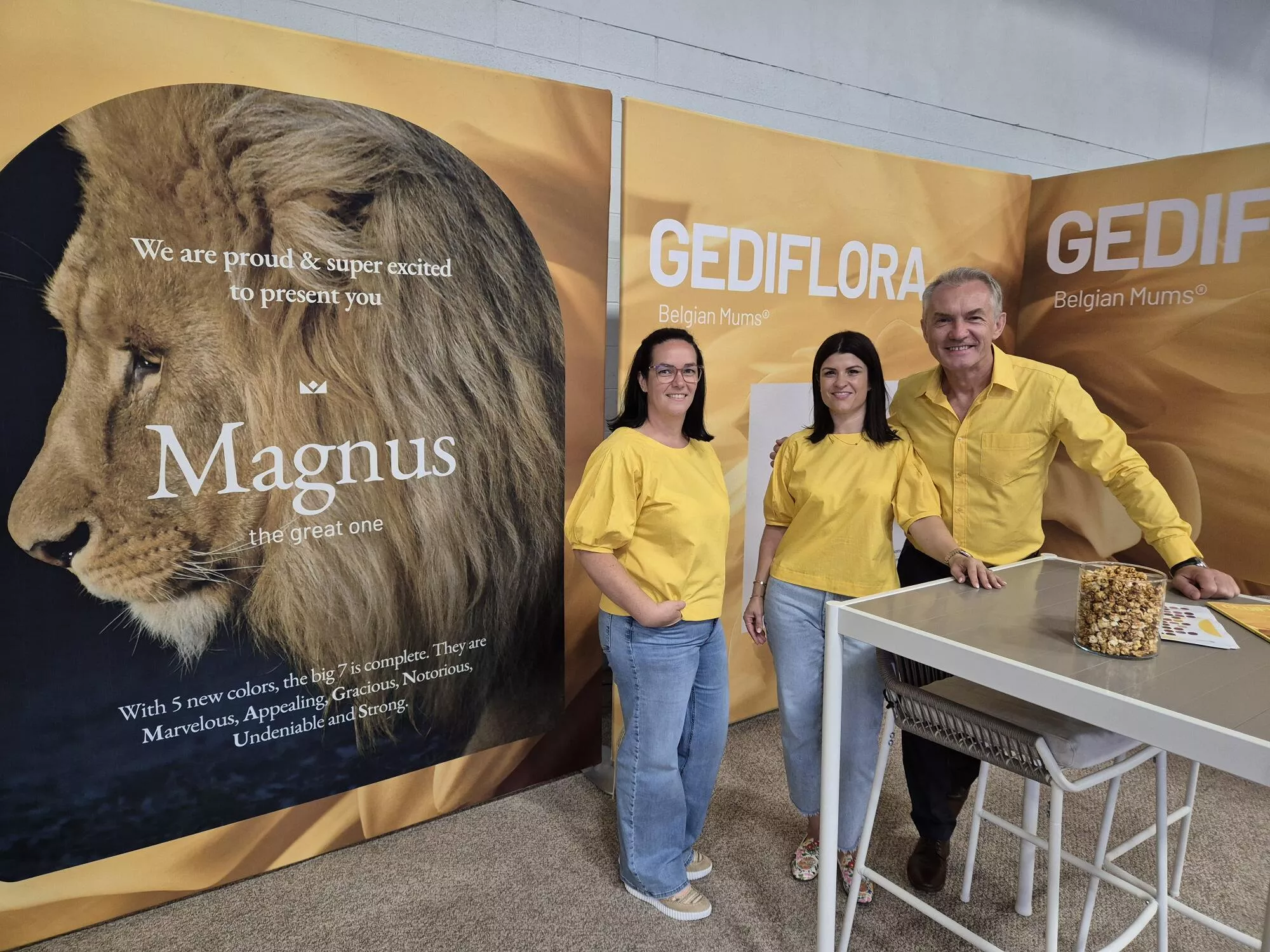
Long-term presence in the market proved just as important as genetics. Since 2008, Bernard Chodyla has led all sales activities in the United States and Canada. His consistent presence, deep technical knowledge and close relationships with growers created stability during periods of change. In a market of this scale, trust is not built through catalogs, but through years of direct contact and practical follow-up in real production environments.
Regular visits by René den Hoed with brokers to key accounts added another layer of expertise. His technical guidance and European production perspective helped translate Belgian genetics into optimized North American cultivation strategies. These exchanges strengthened both confidence and performance at grower level.
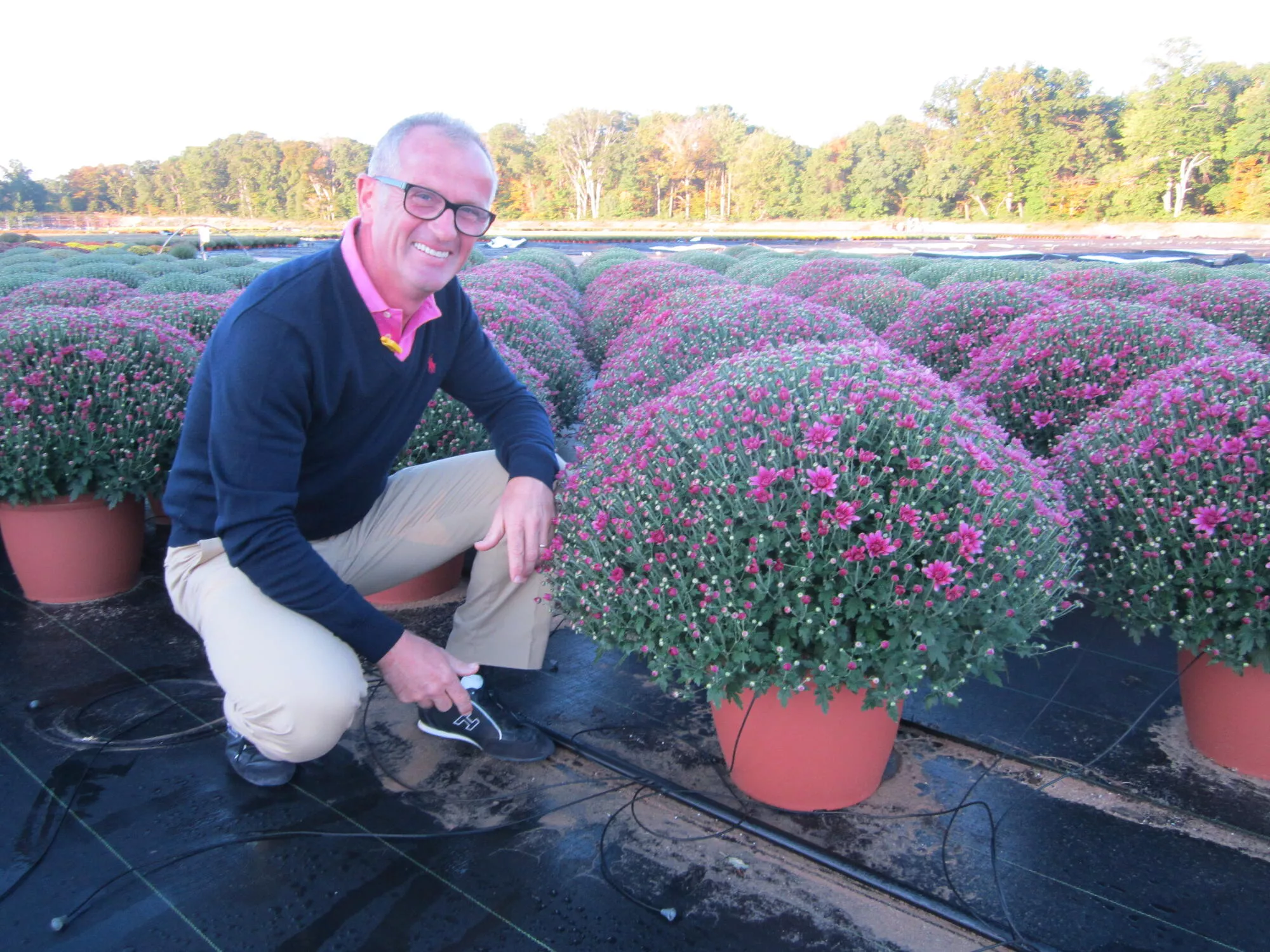
Strategic continuity was further reinforced when Elien Pieters took overleadership from her father Dirk Pieters. Her direction elevated Belgian Mums to a new level of international positioning, combining the original breeding philosophy with structural global expansion.
Behind the scenes, customer service plays a key role in supporting growers and partners across the market. Today this coordination is managed by Maaike Snaet, ensuring smooth communication and follow-up within the international network.
Strong partnerships in production
A stable market position also requires reliable local production. The close partnership with Aris Horticulture in Alva, Florida, has been instrumental over the past decade. By producing Belgian mum stock in the United States, Aris ensures consistent, high-quality cuttings for growers across the US and Canada. This local production capability strengthens both quality assurance and delivery reliability in a market where timing is critical.
Thirty years of structural impact
Thirty years after the first introductions, Belgian Mums are no longer an alternative within the American garden mum landscape. They are part of its foundation.
What started as a challenging entry into a highly competitive market evolved into a breeding influence that reshaped expectations of form, color and cultivation strategy. The ball-shaped chrysanthemum concept that once required explanation has become embedded in global garden mum development.
For professional growers, this history represents more than a milestone. It represents genetics that have been tested, refined and proven under commercial pressure for three decades. It reflects persistence, long-term vision and theconviction that strong plant architecture and natural form would ultimately define the future of garden mums.
Thirty years did not happen by coincidence.
Genetics made the difference.
People made the difference.
Partnerships made the difference.
And above all, perseverance made the difference.
They were built season by season.
Others were also interested in

Twenty years of dedication, growth, and trust. A milestone worth celebrating. Elien reflects on two decades with Gediflora.

